
How to Follow Up on Invoice Payment, Without Damaging It
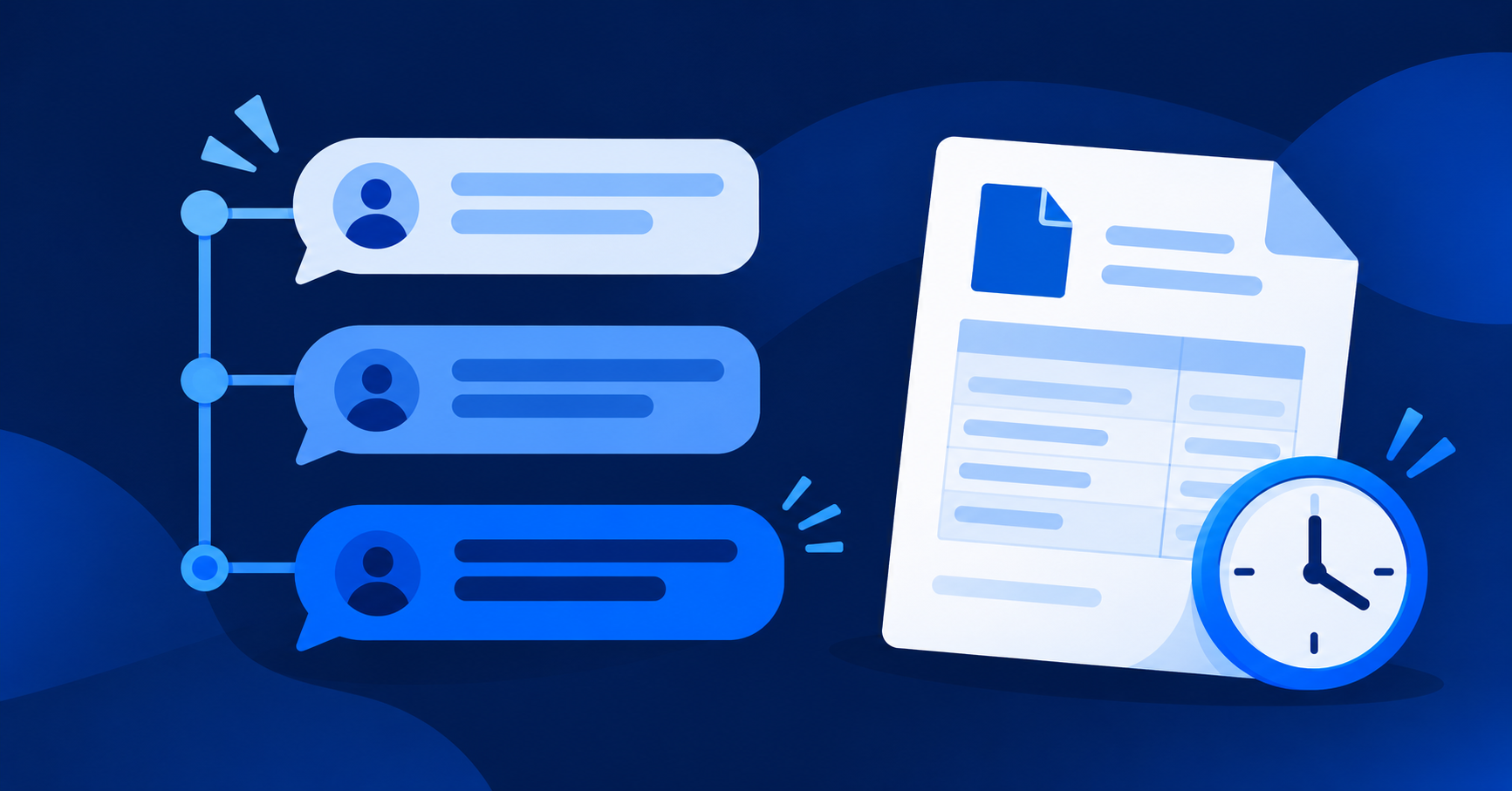
Follow up on an unpaid invoice with a friendly reminder a few days before it's due, a neutral nudge on the due date, a firmer message once it's overdue, and a phone call if messages go unanswered - each stage assumes good faith until the previous one is ignored.
Most late payment is not dishonesty, it's a queue. Your invoice sits behind twenty others in someone's inbox, and the business that follows up in writing, on a schedule, gets paid before the one that waits and hopes.
The follow-up schedule
| When | Tone | What to say |
|---|---|---|
| 3-5 days before due | Friendly heads-up | "Just a reminder that invoice #123 for ₹45,000 is due on [date]. Let us know if you need anything from us." |
| On the due date | Neutral | "Invoice #123 is due today. Could you confirm when payment will be made?" |
| 3-7 days overdue | Firmer, still polite | "Invoice #123 is now 5 days overdue. Please share an update on when we can expect payment." |
| 14+ days overdue | Direct | "Invoice #123 is 2 weeks overdue. Please confirm a payment date by [date], or let us know if there's an issue we should discuss." |
| 30+ days overdue | Escalate | A phone call, then involve whoever owns the relationship - the salesperson or founder, not just accounts. |
Adjust the exact days to your own payment terms and the size of the invoice - a ₹5,000 invoice and a ₹5,00,000 invoice don't need identical cadences.
Why does writing it down matter?
A WhatsApp or email follow-up does two things a phone call doesn't: it creates a timestamped record, and it lets the recipient respond without the social pressure of a live call, which often gets a faster written commitment ("will pay by Friday") that you can hold them to later.
What should the message actually contain?
Every follow-up, at any stage, should have: the invoice number, the amount, the due date, and a direct question that expects an answer - not a vague "just checking in." "When can we expect payment?" gets a date back. "Hope this finds you well" gets ignored.
When do you stop being polite?
Most guidance on collections agrees the tone should firm up, not the facts - you are not threatening, you are stating what's already true: the invoice number, the amount, how overdue it is. The shift from the first reminder to the third isn't anger, it's specificity and a deadline. By the third message, "please confirm a payment date" should have a date attached, after which the next step is a call, not another message.
Does automation help here?
Yes, for the first two stages - the reminder before due and the day-of nudge are the same message every time, so they don't need a person to remember and type them. The overdue-and-firmer messages still benefit from a human glance before sending, since tone matters more as the relationship gets strained. See how to recover overdue invoices in India for the fuller recovery process once a few follow-ups haven't worked.
The part worth automating is the trigger, not the wording. A reminder that fires itself the day an invoice crosses its due date, pulling the real invoice number and amount from your records, removes the one failure mode that causes most late follow-up in the first place: someone simply forgot to check which invoices had aged past their terms that week.
How Anant AGI helps
Anant AGI's Business OS ties the follow-up schedule to the real invoice record, so a reminder references the actual amount and due date instead of someone retyping it from memory. The AI-agent design behind it drafts the message and asks for approval by default rather than sending automatically - see what an AI agent for a small business actually does for how that approval step works.
FAQ
How many times should I follow up before giving up?
There's no fixed number, but most practical advice suggests 3-4 written attempts over 30 days before moving to a phone call or formal escalation, not giving up entirely.
Should I charge interest on late payments?
You can if your invoice or contract states it upfront. Charging it as a surprise after the fact usually damages the relationship more than it recovers in interest.
What if the client says they never received the invoice?
Resend it immediately with the original date noted, and treat this as a reason to confirm delivery (read receipt, WhatsApp, or a follow-up call) for future invoices to the same client.
Is it okay to follow up over WhatsApp instead of email?
Yes, if that's where the client is responsive - the format matters less than the written record and the clear ask.
When should I involve a lawyer or collections agency?
Typically after internal follow-up has genuinely stalled, usually 60-90 days overdue with no commitment, and the amount justifies the cost of escalation.
Sources
- Square, examples of how to write a payment reminder email to a client: squareup.com
- GoCardless, how to write a payment reminder email: gocardless.com
- ChaserHQ, the 7 habits of highly effective invoices: chaserhq.com